Blog / Criminal Defense

Blog

All Criminal Defense DWI and DUI Diversion Expunction Probation Violent Crimes Sex Crimes Family Law Divorce Drug Crimes Property Crimes Magaa & Van Dyke Law Firm Service Child Custody Gun Crimes
What Does Disorderly Conduct Mean in Texas?

What Does Disorderly Conduct Mean in Texas?

Getting charged with disorderly conduct in Texas exposes you to up to $500 for a class C offense or $2,000 for a class B offense. But what constitutes acts qualifying for disorderly conduct accusations? Understanding the specifics helps avoid confrontations leading to citations. A Texas criminal defense lawyer can help you understand the charges and try to figure out if you have grounds to get them dismissed. Defining Disorderly Behavior Texas statute states that disorderly conduct is when an individual intentionally or knowingly uses “ indecent, vulgar, abusive, or profane language in a public place” that incites breach of the peace. Also included is making “offensive gestures or displays” inciting lawless action. So vulgarity and offensive visible expressions causing public unrest meet disorderly conduct criteria. What Types of Language Qualify? While the legal definition appears rather broad, disorderly conduct ultimately hinges on speech sparking potential violence from others. Simple profanity like cursing typically falls under free speech protections. However, stringing together fighting words and aggressive phrases threateningly earns disorderly conduct charges. Context matters most for these types of cases. When Do Gestures Become Criminal? Likewise, not all distasteful public gestures break Texas disorderly conduct laws. For example, raising middle fingers, though crude, often fails on court challenges. However, coupled with aggressive verbiage and environmental context, hand gestures and signals perceived as wanting to fight prompt disorderly conduct. Can My Free Speech Rights Get Violated? Technically, dialects and motions expressing anger or frustration remain lawful until language and actions cross over into threats of harm or lawlessness against people or property. By then, free speech bounds no longer apply. When charges happen regardless, experienced criminal defense lawyers can invoke First Amendment infringements via court petitions dismissing unfounded disorderly conduct accusations. Avoiding Trouble Situations Because disorderly conduct in Texas centers on reactions by others, avoiding confrontations presents the simplest path to prevent allegations. Refrain from responding to insults or perceived slights. Report public harassment to property owners or call law enforcement. Video record disorderly people rather than engaging if feeling unsafe as it can get turned around on you for causing the situation. Contact a Cooke County, TX Criminal Defense Lawyer Facing false or exaggerated disorderly conduct allegations still happens too frequently when emotions escalate. Working alongside a Denton County, TX criminal defense attorney to examine questionable accusations against free speech protections can provide assurance to defeat unfounded disorderly conduct claims. Call Magaña & Van Dyke at 940-382-1976 for a free consultation to know what the next step you should take is.


Can Police Use Deception During Interrogations in Texas?

Can Police Use Deception During Interrogations in Texas?

Police in Texas use deception when interrogating suspects, but within limits. They cannot cross ethical or legal lines. Understanding exactly when the tactics become unacceptable is key. If brought in for questioning, you must know your rights. Deceptive police tactics can wrongly pressure people into admissions or false confessions. Working with a lawyer can help you so you know when and how to answer the questions Common Types of Deceptive Interrogation Tactics Used in Texas Among the most frequent deceptive tactics Texas police use are: Falsely claiming eyewitnesses identified the suspect when no witnesses actually exist. Bluffing that a suspect’s friend, accomplice, or co-defendant has already confessed and implicated the suspect, in order to elicit admissions. Exaggerating or minimizing the potential criminal charges the suspect faces in order to intimidate or persuade a confession. Deceiving the suspect into thinking prosecutors will “go easy” or offer plea bargains if they confess. Police use deception to pressure suspects into making admissions or confessions during interrogations. Their lies are strategically designed to manipulate people into telling the “truth.” However, these tactics can result in false confessions as well. Suspects often do not fully understand their rights or how the justice system works. This lack of knowledge allows officers to exploit people into confessing to things they did not actually do. Legal Limits on Police Deception Under Texas Law While general deception may be permitted, police deception during interrogation is not without some limitations under Texas law: Officers cannot promise more lenient sentencing or outright immunity from charges in direct exchange for a confession. Police cannot threaten physical harm to the suspect or make threats of consequences to a suspect’s family, friends, or loved ones outside the criminal justice system. Law enforcement must clearly convey Miranda rights and cannot deny suspects their broader constitutional and legal protections. Any confession resulting specifically from these prohibited interrogation techniques will be legally used as evidence. Remaining Silent Is Your Strongest Protection The moment an interrogation tactic crosses into clearly prohibited threats, coercion, denial of rights, or quid pro quo promises, any resulting confession made becomes legally inadmissible as evidence. Contact a Dallas Criminal Defense Attorney When you have a Texas criminal defense lawyer on your side, you will know which steps to take. You will have someone on your side who understands legal jargon and can help. You do not have to go through this process alone. Call Magaña & Van Dyke at 940-382-1976 for a free and no-obligation consultation.

UPDATE: What to Know About Public Intoxication Laws in Texas

UPDATE: What to Know About Public Intoxication Laws in Texas

Originally published: July 19, 2022 -- Updated: May 29, 2023 Update: In addition to the potential criminal charges for public intoxication described below, there are several other offenses that you could potentially be charged with in these situations. These may include: Disorderly conduct - This offense may involve a variety of activities that people may engage in when they are drunk or intoxicated. Using abusive or vulgar language or making offensive gestures in a way that breaches the peace, threatening someone in an offensive manner, making unreasonable amounts of noise, getting into fights or physical altercations, or exposing one's genitals or anus may result in Class C misdemeanor charges. Displaying a deadly weapon in a way that is meant to alarm others or discharging a firearm in a public place may result in Class B misdemeanor charges. Obstructing a road or passageway - Anyone who blocks a road, highway, sidewalk, elevator, aisle, hallway, or the entrance or exit of a building may be charged with a Class B misdemeanor. Those who are intoxicated may be charged with this offense if they fall asleep in a public walkway or otherwise obstruct other people's movements. Harassment - This offense may apply in cases where someone is accused of intentionally acting in a way that is meant to annoy, alarm, or embarrass someone else. It includes acts that people may commit when they are intoxicated, including communicating with others in an obscene manner, threatening to inflict injuries or damage property, or repeatedly calling someone on the phone or sending text messages. In most cases, harassment is charged as a Class B misdemeanor. Open container violations - Possession of an open container of alcohol in the passenger area of a motor vehicle may result in Class C misdemeanor charges. This offense may apply to a driver or passengers, regardless of whether a vehicle is in operation or is stopped or parked. Contact Our Denton County Disorderly Conduct Lawyer If you are facing any charges related to actions that you took when you were drunk or intoxicated, you will need to determine the steps you can take to avoid a conviction and other penalties that could affect different areas of your life. At Magaña & Van Dyke, our Cooke County public intoxication defense attorney can provide the legal help you need in these situations. Contact us today at 940-382-1976 for a free consultation. _____________________________________________________________________________________________ It has been a fun night out enjoying some drinks with friends at a local bar. You make the right decision and decide not to drive home, fearing you would be driving while intoxicated. But can you still be arrested for public intoxication when you are walking down the street? It is important to know your rights and when you may be committing an offense. If you have been arrested for public intoxication, an experienced defense attorney can fight this permanent mark on your record. When Is Being Drunk in Public a Crime? Under Texas’ public intoxication laws, it is illegal to be intoxicated in public when you may be a danger to yourself or the people around you. If you are walking home, not falling over, and not trying to pick a fight with passersby, then you are not breaking the law. This includes your actions in places considered to be public, such as bars, parks, restaurants, and hospitals. If you do cross the line and your drunken behavior attracts the attention of law enforcement, you may be charged with public intoxication, which is a Class C misdemeanor. The penalty is a fine of up to $500, but it does not carry any jail time. However, this is still not a charge that anyone wants on their criminal record for the rest of their life. Also, you can be charged with a Class B misdemeanor if you have more than two public intoxication convictions, risking a fine of up to $2,000 and up to 180 days in jail. Underage offenders face the same penalties but also run the risk of a suspended driver’s license, mandatory community service, and mandatory enrollment in an alcohol education course. Other Public Alcohol Considerations in Texas If you are thinking about taking a beer for the road, you should know that there is no statewide law that bans the public consumption of alcohol. Rather, enforcement falls to local jurisdictions and a limited number have chosen to do so, but the bans only cover the central business district. It is best to check local ordinances first. Remember though, open containers of alcohol in a motor vehicle are prohibited, as is public consumption of alcohol in Texas state parks. Contact a Cooke County Public Intoxication Lawyer If you have been arrested on a public intoxication charge, you need to contact a Denton defense attorney at Magaña & Van Dyke. We can provide you with a high-quality defense and fight to keep the charges off your record. Call 940-382-1976 to schedule your free consultation today. Sources: https://statutes.capitol.texas.gov/Docs/PE/htm/PE.49.htm#49.02 https://tpwd.texas.gov/state-parks/park-information/frequently-asked-questions https://statutes.capitol.texas.gov/Docs/PE/htm/PE.42.htm

Will a Family Violence Arrest Result in an Order of Protection?

The state of Texas has strict laws concerning domestic violence, which is generally referred to as "family violence" in the state's statutes. If you are accused of family violence, you may face severe consequences, including criminal charges related to domestic assault, sexual assault, child abuse, or other offenses. However, in many cases, the most immediate concerns may be related to protective orders that could affect multiple aspects of your life. If you are worried about how you may be affected by an order of protection after being arrested for or accused of family violence, you can work with a criminal defense attorney to determine how to respond to these issues. Protective Orders in Texas Family Violence Cases A person who believes that they or their family members may suffer harm due to domestic violence may apply for an emergency protective order, and they will usually be required to appear before a judge and explain why the order is needed. This is also known as an "ex parte" order, which means that only one party needs to be present at a court hearing, and a protective order may be issued without the person who is accused of family violence being given a chance to defend themselves against the accusations. If police are called to respond to a domestic incident, and they believe that one party has committed family violence, they may perform an arrest and pursue criminal charges. In these cases, a judge may choose to issue a Magistrate's Order of Emergency Protection, which is similar to an ex parte protective order. Either of these types of orders may place restrictions on the person accused of domestic violence, including prohibiting them from committing any form of abuse, excluding them from their family home, and preventing them from contacting their spouse, partner, children, or others named in the order. An emergency protective order will usually remain in effect for 20 days, and a Magistrate's Order of Emergency Protection may last from 31 to 91 days depending on whether a case involved serious bodily injuries or the use of a deadly weapon. Before the expiration of an emergency order, a hearing will be held to determine whether long-term protections are necessary. At this hearing, both sides will be able to give their side of the story and present evidence. If a judge believes that family violence has occurred and is likely to occur in the future, they may issue a protective order. Most of the time, a protective order may last for up to two years, although the duration of an order may exceed two years if a judge determines that a person committed an act of family violence that is a felony offense, if the person who suffered the abuse sustained a serious bodily injury, or if the person accused of family violence had previously been the subject of at least two protective orders. An order of protection may state that the person accused of family violence cannot contact members of their family or household directly or indirectly, and it may give exclusive possession of a family home to the applicant. A person may also be required to undergo counseling and turn over any firearms. An order may also address custody and placement of a couple's children, require one party to pay financial support to the other and make decisions about the possession and use of jointly-owned property. A person will be required to follow all terms in the order, and a violation of any of the terms could result in additional criminal charges. Contact Our Cooke County Family Violence Lawyer While an arrest for family violence will not automatically result in an order of protection, a judge may determine that protections are necessary, or, in some cases, a protective order may be requested. In these situations, it is essential for anyone who has been accused of family violence to understand their requirements and the options for defending themselves. At Magaña & Van Dyke, our Denton County domestic violence defense attorney can provide effective legal representation, helping those accused of these offenses protect their rights and avoid serious consequences. To arrange a free consultation, contact our office today at 940-382-1976. Sources: https://statutes.capitol.texas.gov/Docs/FA/htm/FA.83.htm https://statutes.capitol.texas.gov/Docs/FA/htm/FA.85.htm https://www.txcourts.gov/media/478291/chapter4.pdf

When Can the Police Search My Car?

When Can the Police Search My Car?

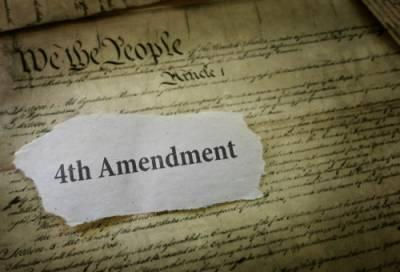
It is not uncommon to hear or read about a person who was arrested for drug possession or a similar crime after being stopped by police for a traffic violation. Situations such as these lead to an extremely important question: How does a traffic stop transform into a search which leads to the discovery of illegal drugs, guns, or other contraband? The Fourth Amendment to the United States Constitution addresses the rights of citizens regarding searches and seizures. However, the way in which the courts have interpreted the Fourth Amendment over the years has created a deal of confusion for many people. The Fourth Amendment The Fourth Amendment promises that the government—which means the police, by extension” shall not violate “the right of the people to be secure in their persons, houses, papers, and effects, against unreasonable searches and seizures.” It goes on to state, “No Warrants shall issue, but upon probable cause,” and that a warrant must describe where the search is to take place, as well as the items or individuals that are expected to be seized. Of course, when the Fourth Amendment was ratified in 1789, the automobile was still over 100 years away from being invented. As such, our founding fathers could not have foreseen such mobility for the average citizen. Because cars and trucks are so mobile, the warrant requirement is not exactly very conducive to the efforts of law enforcement, which is why courts around the country have had to review cases of warrantless searches to set precedents that must be followed by law enforcement officers. Probable Cause The police are allowed to search your car, but they cannot do so for no reason. The officer must have probable cause to believe that your vehicle is or has been involved in illegal activity. Probable cause could be based on something the officer sees looking into your car, for example, or the smell of illegal drugs. There does not necessarily need to be physical evidence visible, but the officer might believe that he or she will find such evidence by searching the vehicle. In such a case, the officer must be able to clearly state why he or she has such a belief, or the search could be determined to be illegal later. It is extremely important to remember that questions regarding a warrant or probable cause can be avoided altogether if the officer obtains your permission to conduct a search. However, the officer does not need to ask you directly or clearly. Instead, the officer might something along the lines of “You don’t have anything to hide, so you won’t mind if we do a quick search, right?” If you allow the search, you will lose your ability to challenge the legality of the search down the road. You absolutely have every right to tell that officer in no uncertain terms that you do not consent to a search. Your refusal will not necessarily prevent the search, but by doing so, you can preserve your ability to challenge the legality of the search if the officer finds anything incriminating. If it is ultimately determined that the search was illegal, there is a good chance that the court will throw out any evidence that was found in the search. Without the evidence, prosecutors are likely to have a much less convincing case, which could even lead to the dismissal of the charges against you. Call a Denton County Criminal Defense Attorney If you or someone you love has been arrested based on evidence found in a search that you believe was illegal, contact an experienced Denton criminal defense lawyer. At Magaña & Van Dyke, we will work hard to ensure that your rights and best interests are fully protected. Call 940-382-1976 to schedule a free consultation with a member of our team today. Sources: https://statutes.capitol.texas.gov/Docs/CR/htm/CR.18.htm https://constitutioncenter.org/interactive-constitution/interpretation/amendment-iv/interps/121

Are You Being Accused of Tax Fraud?

Are You Being Accused of Tax Fraud?

April 15th has come and gone, our annual reminder that we need to file our income taxes. Some people file early – usually those who are receiving refunds, while others wait until the very last day to file. Those last-minute filers often owe taxes. There are also those who file extension requests because they need more time to get their documents together. The bottom line is, however, that no matter how we feel about our tax obligation, we are legally required to pay our taxes or face serious civil and/or criminal consequences. Tax Fraud No matter what the type of tax fraud that is being committed, the IRS has the tools in place where taxpayers can report the fraud directly to them. The agency has different forms that taxpayers can use, depending on what type of tax fraud is being committed. These forms do not require the individual reporting the alleged fraud to identify themselves, however, the IRS does encourage people to do so. Those that do identify themselves may be asked to testify against the party they are reporting should an investigation result in criminal charges being filed. If someone has reported you for tax fraud, contact a white-collar crime attorney immediately. The following are some of the more common types of illegal activities that are reported to the agency and the form that they are reported on: Information Referral Form – This form is used to report parties that do not report income, fails to pay taxes, or files false returns. This form is also used to report organizations or individuals to claim false exemptions or deductions, or the improper withholding of taxes. The form does request the individual reporting to provide as much information as possible, including the contact information of the party they are reporting, tax ID or Social Security number, the timeframe the alleged fraud took place, and a description of the type of fraud that was committed. Complaint: Tax Return Preparer and Tax Return Preparer Fraud or Misconduct Affidavit – These forms are used to report a company or individual who prepares tax returns and is involved in an illegal tax scheme. Report Suspected Abusive Tax Promotions or Preparers Form – This form is used to report a company or individual who is promoting a tax-paying avoidance scheme. Tax-Exempt Organization Complaint Form – This form is used to report alleged tax fraud by any tax-exempt organization. Examples of tax-exempt organizations include charities and religious organizations. Identity Theft Affidavit Form – Another form of tax fraud that many people may not realize takes place involves victims of identity theft. It is not uncommon for an individual who has had this happen to them to discover that the offender had also filed fraudulent tax returns or obtained employment under their name and Social Security number. How a Denton County Tax Fraud Lawyer Can Help While there are some people who intentionally commit tax fraud, there are a great many more who unknowingly make errors on their tax returns or some other party has created the unfortunate – and often criminal – situation. Call Magaña & Van Dyke at 940-382-1976 to schedule a free and confidential consultation with one of our dedicated Cooke County white-collar crime attorney. Source: https://www.irs.gov/individuals/how-do-you-report-suspected-tax-fraud-activity

The Fourth Amendment and the Protective Sweep Doctrine

The Fourth Amendment and the Protective Sweep Doctrine

The Fourth Amendment to the U.S. Constitution provides protection from unreasonable searches and seizures by the government. However, it only provides protection from searches and seizures that are deemed unreasonable under the law. One type of search that is not prohibited by the Fourth Amendment is a “protective sweep.” What Is a Protective Sweep? Under the Fourth Amendment, the police cannot just enter a person’s home unless they have a warrant to do so. In order to obtain a warrant, law enforcement must show the court there is probable cause of criminal activity to justify that warrant. Police are allowed to conduct a search without a warrant under the Protective Sweep Doctrine. Under this doctrine, police can conduct a search after they have arrested someone. The purpose of this search is to provide officers a way to ensure their safety, as well as anyone else on the scene, searching for anyone who may pose a threat. Protective sweeps often take place when officers arrive at a residence with an arrest warrant, usually needing to enter the residence in order to make that arrest. Once police enter the premises to take the person named in the arrest warrant into custody, they can conduct a sweep if there is reason to believe there is an individual or individuals who could pose a threat. Protective sweeps can also be conducted if the arrest takes place near the suspect’s home or other type of premises. If, during the protective sweep, officers see evidence of potential criminal activity that is in plain view, this evidence can usually be used in any criminal case that results. Stringent Limitations A protective sweep does not allow the police to check whatever rooms or areas of a premise they want. Officers can only look in those areas where a person could be hiding, such as in bedrooms or closets. The sweep itself must be conducted quickly. Once the arrest has been made, officers must leave the premises. If the court rules that police overstepped the bounds of a protective sweep, any evidence obtained would likely be excluded from the proceedings. Contact a Cooke County Defense Attorney If you have been arrested and charged with a crime, it is critical to have a skilled Denton County criminal defense lawyer advocating for you and ensuring your constitutional rights are protected. Call Magaña & Van Dyke at 940-382-1976 to schedule a free consultation and find out how our firm can help. Sources: https://www.ojp.gov/ncjrs/virtual-library/abstracts/fourth-amendment-protective-sweep-doctrine-when-does-fourth https://www.uscourts.gov/about-federal-courts/educational-resources/about-educational-outreach/activity-resources/what-does-0

Are You Facing Hit and Run Charges in Texas?

Are You Facing Hit and Run Charges in Texas?

According to national statistics, there are more than six million police-reported vehicle accidents in the United States each year. It is estimated that a person will be involved in four crashes during their driving lifetime, so odds are that you will find yourself at the wheel of a car accident at some point. Vehicle accidents usually happen when you least expect them. Each crash has an at-fault driver and in an accident you are involved in, that at-fault driver could be you. Whether the crash occurred because you were engaged in reckless driving behaviors or not, it is important to stop immediately at the scene to protect yourself against criminal charges. Hit and run charges are a serious matter in Texas. In addition to being held liable for injuries others suffer as the result of your actions, you could end up facing severe criminal penalties. Understanding Texas Law Under Texas law, drivers who are involved in a car accident where there is injury, death, damage to another vehicle or property must stop. If a victim has been injured, you are required under the law to stop and render aid, including calling 911. Drivers must also exchange information, including their name, address, vehicle registration, name of insurance company, and proof of driver’s license. If a driver leaves the scene of the accident, they could face serious charges, depending on the circumstances of the crash: If the vehicle damage is less than $200, the charge is a Class C misdemeanor, with a penalty of up to a $500 fine. If the vehicle damage is over $200, the charge is Class B misdemeanor, with a penalty of up to six months in jail and/or up to a $2,000 fine. If a victim was injured (but not seriously), the charge is a felony, with a penalty of up to five years in prison and/or a fine of up to $5,000. If a victim was seriously injured or killed, the charge is a third-degree felony, with a penalty of up to 10 years in prison and/or a fine of up to $10,000. Contact a Denton County Defense Attorney There are a number of reasons why a driver may flee the scene of the crash, however, leaving the scene only compounds the seriousness of the incident. If you are facing misdemeanor or felony hit and run charges, you need a skilled Collin County hit and run defense attorney advocating for you and ensuring your rights are protected. Call Magaña & Van Dyke today at 940-382-1976 to schedule a free consultation and find out how we can help. Sources: https://www.forbes.com/advisor/car-insurance/car-accident-no-rate-increase/#60090f934e62 https://driving-tests.org/driving-statistics https://statutes.capitol.texas.gov/docs/tn/htm/tn.550.htm

How a Criminal Record Can Affect Your Future

It’s a common misconception that only those found guilty of a crime have a criminal record. However, if you’re arrested, charged, or convicted of a crime, Texas will put this information on your criminal record. After “paying your debt to society” through fines, jail time, or probation, many people believe they can now put this chapter behind them and start fresh. Unfortunately, a person’s criminal history can make that a difficult thing to do. The Effects of a Criminal History Employment Employers can disqualify candidates for a number of reasons, including a previous arrest or conviction. Additionally, Texas has laws that disqualify felons from applying for certain jobs throughout the state, including law enforcement, teaching, the restaurant/bar industry, and medical first responders. Schooling A criminal history can affect a person interested in going to college, attending trade school, or starting their own business. Not only can schools deny a person because of their criminal history, but certain drug or sexual convictions also prohibit you from receiving grants or student loans. Housing Landlords can deny a person’s application because of their criminal record or probationary status. Unfortunately, this doesn’t just affect the person who has a criminal history, it also affects their family and children. Furthermore, not having access to safe, affordable housing can also affect a person’s ability to maintain custody or visitation. Driving Privileges If a person’s offense involved alcohol or drugs, especially while driving, it can lead to a 180-day suspension of their driver’s license or a restricted license. A person may also be required to take a drug education course before regaining their right to drive. Your Right to Bear Arms Texas law states that convicted felons must wait five years after their prison or parole sentence has ended to legally own a firearm. Additionally, people with a felony conviction can only own a firearm in their residence, even well after the five year waiting period has ended. If your prison sentence ended 10 years ago and you’re found with a legal firearm in your car, you could be charged with unlawful possession of a firearm. Certain class A misdemeanor and felony convictions will make you completely ineligible to carry a firearm. Harsher Punishments for Subsequent Crimes During sentencing, courts take a few different things into consideration, including your criminal history. This is why first-time offenders tend to receive lesser sentences. If you have a criminal history (even if it was from many years ago), it can lead to more severe penalties if you’re convicted of a recent crime. Do You Qualify for Expunction or Nondisclosure? Because of these restrictions on school, housing, and your liberties, many people with a criminal history request to have their record cleaned up through expunction or nondisclosure: While expunction is more widespread and permanent, it’s also very limited. Many convictions are not eligible for an expunction request. Nondisclosure (also known as having a record sealed) is more widely accessible, however it only hides certain offenses from public record meaning the history is still visible to law enforcement and government agencies. Below are offenses that are ineligible for expunction or nondisclosure: Offenses that required you to register as a sex offender; Murder and capital murder; Aggravated kidnapping; Injury to a child, elderly or disabled person; Abandoning or endangering a child; Certain family violence offenses, sexual assault or abuse offenses, or stalking offenses. Are you looking to have your record expunged or sealed? Magaña & Van Dyke will take the time to get to know you and learn about your circumstances. Schedule a free consultation by calling us at 940-382-1976 or contacting us online.

Public Defender vs. Private Attorney: Which is Better?

If you’ve ever watched crime dramas on TV, you’ve probably heard the phrase, “if you can not afford an attorney, one will be appointed to you.” This is one of the cornerstones of our justice system — everyone is entitled to a lawyer, regardless of their income or circumstances. That being said, not all lawyers are created equal. When facing criminal charges, you have the choice between a public defender or hiring a private attorney. And when facing potentially serious consequences, it’s important to understand the difference between the two and which option is best for your situation. Understanding the Difference Between a Public Defender and Private Attorney The Downfall of Public Defenders If you receive a court-appointed lawyer, you’re likely getting a public defender. While this lawyer will come at no cost to you, there are several reasons why this is not in your best interest: You have no say in who represents you. You’ll receive whichever public defender is assigned to you by the state, meaning you have no say in who is picked for the job. Switching public defenders is difficult. If you decide you do not like your public defender or feel they’re not representing you well, it’s nearly impossible to have them removed and to get another court-appointed lawyer. Public defenders are overworked. Just like you have no say in who defends you, public defenders can not turn down cases they’re assigned to by the state. This means your average public defender is working dozens of cases at the same time. With so many clients to care for, they may not have the necessary time to dedicate to your case. Your lawyer may be inexperienced. Though not always, many public defenders are young and only recently passed the bar exam. With little criminal court experience, they may not yet be capable of handling the complexities of your case or defending you to the level you deserve. A Private Attorney Puts You in Control From jail time to difficulty securing employment, a criminal conviction can have serious effects on the rest of your life. Don’t leave your future up to chance. Unlike a public defender, private attorneys: Have control over their caseload. A private attorney never has to take a case. After an initial consultation, our lawyers look at their account load and only agree to take you on as a client if they have the time needed to provide you with the very best defense. Often specialize in one area. Since our founding in 2007, our attorneys have provided high-quality service in Denton County and the surrounding areas. Our team specializes in criminal defense matters, including DWIs, sex crimes, drug charges, robbery, and murder. Have more resources at their disposal. If you’re facing serious charges, you need more than just a good lawyer. At Magaña & Van Dyke, we work as a team, which means you can be confident that we will keep your case files organized. Are more accessible. Because they’re working on so many cases, it may be difficult to contact your public defender when you have questions. However, our large team and resources means that someone will be available to help with your every need. Have you been charged with a crime in Denton and surrounding areas? Magaña & Van Dyke will take the time to get to know you and learn about your circumstances. Schedule a free consultation by calling us at 940-382-1976 or contacting us online. With over 20 years of combined experience, thousands of cases handled, and strategic approaches, we give you our word that we’ll provide nothing short of exceptional criminal defense in trial, and we will strive to get the case dismissed altogether if possible.

Why You Always Need an Attorney When Facing Criminal Charges

Facing criminal charges is one of the most overwhelming, scary, and uncertain experiences a person can go through. With everything from your freedom to reputation on the line, you should never take a charge — whether misdemeanor or felony — lightly. Regardless of how much work you believe you can do yourself, the criminal justice system makes it virtually impossible for people to adequately represent themselves. With so much on the line, it’s always best to put your trust in an experienced attorney. Why You Should Hire a Defense Attorney 1. They understand the criminal justice system. No one understands the intricacies of the criminal justice system better than a defense lawyer. Even if you’ve been through the system before or believe you have a strong understanding of how everything works, the nature of criminal cases is incredibly complicated. At Magaña & Van Dyke, we take pride in the fact that we walk our clients through every step of the process, explaining what they can expect and answering any questions. 2. Defense attorneys have a relationship with other prosecutors. While it may be easy to assume that defense attorneys and prosecutors are strict adversaries, they actually work together quite often. If your attorney has a positive relationship with other prosecutors, it can dramatically improve the chances of you receiving a more favorable result. 3. They can manage expectations. Everyone who works on our team genuinely cares about their clients. Therefore, we never want clients to feel blindsided by an unexpected outcome. After reviewing the details of a client’s case, we’ll discuss the potential outcomes they could face before working tirelessly to help them receive a favorable outcome. 4. They have years of experience with similar cases. Our Magaña & Van Dyke criminal attorneys have over 20 years of combined experience in the justice system. With a strong focus on criminal law, we have years of experience handling cases ranging from first-time DWI offenses to violent crimes. Magaña & Van Dyke will take the time to get to know you and learn about your circumstances. Schedule a free consultation by calling us at 940-382-1976 or contacting us online.

Contact Us

Fill out this form below and we'll contact you shortly
*Required Fields