Blog / DWI and DUI

Blog

All DWI and DUI Criminal Defense Diversion Expunction Probation Violent Crimes Sex Crimes Family Law Divorce Drug Crimes Property Crimes Magaa & Van Dyke Law Firm Service Child Custody Gun Crimes
Possible Defenses Against a DWI Charge

Possible Defenses Against a DWI Charge

A charge of driving while intoxicated (DWI) in Texas can be very stressful to deal with. If convicted of this charge, you face not only the threat of incarceration, but the suspension of your license as well. However, an accusation of DWI does not necessarily mean that you are guilty. A Cooke County, TX drunk driving defense lawyer can help you fight these charges, exploring different legal strategies suited to your case. At Magaña & Van Dyke, we have prior experience handling allegations of DWI, and we have successfully gotten charges dismissed for a repeat DWI. You can count on our firm to provide you with strong counsel and representation throughout your case as we seek the best possible outcome. Three Possible Defenses for a Drunk Driving Charge in Texas The best defense for a drunk driving charge should be carefully tailored to your individual circumstances. Our firm can meet with you to discuss the details of your case and develop an individualized defense strategy. Unlawful Traffic Stops Police need to follow certain procedures to pull motorists over for traffic stops. When these procedures are not followed, it could constitute a violation of your rights. In Texas, police need reasonable suspicion in order to pull you over. This essentially means that the officer needs to have reason to believe that you committed or were in the process of committing a crime. If the officer cannot articulate his or her reason for the traffic stop, like witnessing you swerving between lanes or speeding, it might be deemed an illegal stop, and any evidence obtained from the stop could be suppressed. Lack of Evidence In a DWI case, keep in mind that the prosecutor needs to prove your guilt beyond a reasonable doubt. The case against you could be dismissed if there is not enough evidence to suggest that you were either driving with a blood alcohol concentration of .08 percent or more or driving while your physical or mental faculties were impaired by drugs or alcohol. Additionally, the statute for DWI ( Texas Penal Code Sec 49.02) also specifies that you can only be charged with this offense while operating a motor vehicle in a public place. If you can demonstrate that you were not in a public place or that you were not actually driving the vehicle, the prosecution’s case could be weakened. Inaccurate Test Results Law enforcement officers use field sobriety tests and chemical blood or breath tests to gauge a driver’s degree of intoxication. However, the validity of these tests can be scrutinized and challenged by a skilled DWI defense lawyer. A driver’s performance of field sobriety tests can be skewed by external factors like sleet or poorly maintained roads. Similarly, chemical testing equipment needs to be properly calibrated and regularly maintained. Even if the BAC readings are only slightly off, there is a significant difference between a result of .06 percent and .08 percent. Contact a Denton County, TX Criminal Defense Lawyer If you have been accused of driving while intoxicated, do not hesitate to seek legal representation. Our Cooke County, TX drunk driving defense attorneys are here to stand up for you in court. Call Magaña & Van Dyke at 940-382-1976 to schedule a free consultation today.

Is Drug DWI Treated Differently From Alcohol DWI in Texas?

Is Drug DWI Treated Differently From Alcohol DWI in Texas?

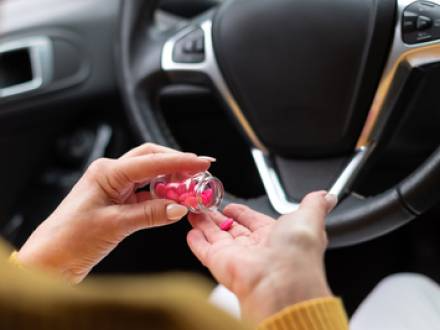
Usually, the term " driving while intoxicated " is associated with alcohol. However, it can also apply to dangerous controlled substances that can impair your faculties. If you are accused of driving while intoxicated by drugs, you could face serious penalties in a court of law. With the help of a Texas criminal defense lawyer, you can fight a drug DWI charge. If you have been arrested on DWI charges, you should get in contact with a qualified legal professional at the earliest opportunity. At Magaña & Van Dyke, we have experience handling difficult, high-stakes cases, including charges of DWI. What Is the Legal Definition of Driving While Intoxicated in Texas? According to the Texas Penal Code, you can be considered legally intoxicated if you do not have "the normal use of mental or physical faculties" due to some combination of alcohol, a controlled substance, or a drug in your system. DWI is simply defined as operating a motor vehicle while intoxicated in a public place. The punishments for DWI vary depending on the severity of the act. By itself, DWI is charged as a Class B misdemeanor, carrying a sentence of up to 180 days in jail. However, the statute for DWI specifically mentions that a conviction carries a minimum of 72 hours behind bars. You can also face enhanced penalties under certain circumstances, such as if there was a child passenger in the vehicle. Is Evidence Different in Drug DWI Cases? In a "standard" alcohol DWI case, police use a metric called blood alcohol concentration (BAC) to determine if a driver is drunk or not. At a BAC of .08 percent or higher, you can be considered legally intoxicated. In drug DWI cases, there is no real equivalent to BAC. Chemical testing can reveal the presence of a controlled substance in your body, but drugs can linger in your system for days or even weeks. As such, the prosecution may have a more difficult time proving that you were intoxicated at the time you were pulled over. Instead, the prosecution might focus on your behavior at the time of your arrest. Can I Be Charged With a Crime for Driving While Intoxicated by a Prescription Drug? Some prescription medications – like medical cannabis products – can impair your normal faculties. Though you may have a legal right to possess or use these medications, it is not a defense against DWI charges in Texas. This is stated clearly in the Texas Penal Code, which provides that you can still be prosecuted even if you are "entitled to use" a controlled substance or drug. If you have been charged with DWI resulting from a prescribed drug, you should seek out an attorney as soon as possible. At Magaña & Van Dyke, we can employ different legal strategies, such as challenging the legality of the traffic stop. Contact a Cooke County, TX Drug DWI Defense Lawyer Though there may be a different investigative process in a drug DWI case, the penalties are no less severe. Our Denton County, TX intoxicated driving defense attorney can represent you in court and aggressively protect your rights. Call our offices at 940-382-1976 to arrange a free consultation today.

Common Reasons for False DWI Arrests in Texas

Common Reasons for False DWI Arrests in Texas

A charge of driving while intoxicated (DWI) can be frightening to deal with – especially if you were mistakenly accused of being impaired at the wheel. A Texas DWI conviction can have immediate consequences, ranging from jail time to the suspension of your license. Worse, the long-term effects of a criminal conviction could follow you for years to come. With this in mind, it is important that you challenge any false accusations of DWI. A Texas DWI defense lawyer can provide you with aggressive representation in court, exploring all avenues to support your case. At Magaña & Van Dyke, our criminal defense attorneys are here to fight for your rights, as we treat every client as an individual deserving of respect and dignity. Medical Conditions Mistaken for Drunkenness Can Lead to DWI Charges There are a whole host of medical conditions that an unaware police officer might mistake for impairment. For instance, a pronounced speech impediment could be interpreted as intoxication-related slurred speech. If you have been arrested and charged with DWI for a medical condition that is out of your control, our attorneys are ready to advocate for you. We can help compile documentation about your condition and present it for the court’s consideration, making a case for your rights. Rising BAC Can Give False Positives for DWI Police officers often use blood alcohol concentration (BAC) as evidence for DWI cases. At .08 percent BAC, you are legally considered intoxicated. While BAC is a more scientific measure of sobriety, it is not always accurate. In some cases, a driver’s blood alcohol concentration can be skewed by his or her most recent drink. This can lead to BAC readings that might not reliably indicate the driver’s real degree of impairment. Suppose that you were pulled over and arrested on suspicion of DWI. Your BAC could have risen over the legal limit by the time you were tested at the police station. At Magaña & Van Dyke, we can closely examine the results of chemical testing as well as the timing of your arrest and the test. Poor Conditions for Field Sobriety Tests Field sobriety tests allow police officers to obtain evidence to justify a DWI arrest. If a driver exhibits unstable balance or poor coordination during a field sobriety test, the results of the tests could be used against him or her. However, field sobriety tests are rarely administered in ideal conditions. Low light, fog, rain, sleet, or other factors can easily cause a sober person to fail a field sobriety test. Our lawyers will review the procedures used by the officers during the tests to see if the results hold up. Meet With a Cooke County, TX DWI Defense Lawyer Have you been accused of DWI while not actually drunk? If so, seeking out legal representation is in your best interests. At Magaña & Van Dyke, our Denton County, TX DWI defense attorneys have years of experience representing clients who were falsely accused of drunk driving. We will prepare a legal strategy for your defense, accounting for the specific circumstances of your arrest. Call us at 940-382-1976 to schedule a free consultation today.
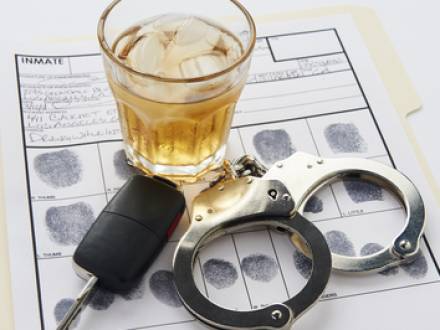
Commercial DWI Defense for CDL Drivers in Texas

Commercial DWI Defense for CDL Drivers in Texas

Being arrested for DWI in Texas is challenging for anyone, but for commercial truck drivers, it could mean losing your CDL and livelihood. Professional CDL holders face additional penalties and complexities in defending DWI charges. Having an experienced Texas DWI lawyer is crucial. You deserve a fair chance at trying to fight the charge so you do not lose your job. Enhanced Penalties Texas has extra penalties for CDL holders convicted of DWI while operating any vehicle, even a personal one. These include automatic CDL suspension for one year for first offense and lifetime revocation for two or more DWIs. Jail time also increases compared to non-CDL drivers. Additional Charges Prosecutors often pursue additional charges against commercial drivers like reckless driving, failure to maintain control, hazardously transporting cargo, or endangerment if an accident occurred. These charges can increase fines and sentences if convicted. Administrative Hearings After a DWI arrest, CDL holders face their criminal case as well as Department of Public Safety (DPS) administrative license hearings. Even if criminal charges are reduced or dismissed, DPS can still suspend or revoke your CDL. Separate legal representation is needed. Immediate Impact A DWI arrest means an immediate loss of driving privileges and grounding from commercial driving. Getting an occupational license is complex. Working quickly to reduce bond conditions and get privileges restored is critical to resuming work. Plea Strategy Experienced lawyers know prosecutors resist reducing CDL DWI charges to avoid license impacts. Limited plea bargain options exist, but creative lawyering can sometimes find a resolution protecting your CDL. Thoroughly weighing the risks of going to trial is critical. Do Not Put Off Getting a Lawyer The time begins after a CDL DWI arrest in Texas. Acting quickly to get legal representation maximizes keeping your license and job options. Last-minute legal scrambling will end up limiting your strategies. Know Your Rights Many commercial drivers are unclear on rights regarding DPS hearings, blood draws, refusal of field sobriety tests, and providing documentation at the scene. An attorney ensures you avoid misunderstandings leading to further charges. Contact a Denton County, TX Criminal Defense Lawyer Having legal representation in commercial DWI defense is vital for CDL holders facing DWI charges. A Cooke County, TX criminal defense attorney can help you make sure you are on the right path. Unique defense strategies can be employed to keep your record clean because your career depends on it. Call Magaña & Van Dyke at 940-382-1976 for a free consultation.

The Lasting Consequences of a DWI Conviction in Texas

The Lasting Consequences of a DWI Conviction in Texas

Being convicted of a DWI offense in Texas sets off a years-long chain reaction of additional penalties that can negatively impact your finances, career, and overall quality of life long after the conviction itself. Beyond potential jail time and immediate criminal consequences, a Texas DWI conviction initiates a sequence of burdensome costs, barriers, and suspensions that penalize you well into the future. A Texas lawyer can help you with your DWI conviction. Lengthy License Suspension Depending on the number of your prior DWI convictions and other case factors, a guilty verdict in Texas can result in the suspension of your driver’s license. Depending on the offense, this can last anywhere from 30 to 180 days. This suspension can have devastating ripple effects for those reliant on driving for work or family transportation. Missed shifts or losing jobs are common outcomes. Skyrocketing Auto Insurance Rates A DWI conviction represents a major red flag that will send your car insurance premiums soaring steeply. In Texas, annual insurance rates commonly escalate by anywhere from $1,000 up to over $2,500 per year for a minimum of three years following a DWI conviction. Those with multiple prior offenses often pay much higher premium hikes that last even longer. Multiple Years of Ignition Interlock Costs After any license suspension period, convicted DWI offenders in Texas must pay out of pocket to have a court-ordered ignition interlock device professionally installed and maintained in their vehicles for between six months to three or more years before being eligible to drive unrestricted again. These devices can incur fees of $70-$150 per month paid by the offender. Serious Barriers to Securing Employment Since many employers routinely conduct criminal background checks on applicants, a DWI conviction that appears on your record could negatively impact future job prospects if hiring managers pass judgments on the offense. Some jobs in fields like education, healthcare, transportation, and law enforcement may be restricted or unattainable. Steep Financial Penalties Add Up On top of court fines, lawyer fees, and the base costs of a DWI program, those convicted also become liable for: Vehicle towing Impound fees Monthly interlock maintenance costs Expensive SR-22 insurance premiums Court-ordered substance abuse classes Probation costs Other expenses that commonly total thousands of dollars over time The extended damaging effects of a DWI conviction can burden offenders and their families for years past the date of arrest. This is why fighting charges aggressively from the start is so crucial. Contact a Cooke County, TX DWI Lawyer If you need help navigating a DWI case, a Denton County, TX DWI attorney can help. You will know what steps to take throughout the process. Contact Magaña & Van Dyke at 940-382-1976 for a free consultation.

When Is a DWI Charged as a Felony in Texas?

When Is a DWI Charged as a Felony in Texas?

The dangers of drunk driving have been well-established. The use of alcohol or drugs can significantly impact a person's ability to operate a vehicle safely, and a person who is intoxicated is much more likely to be involved in an accident that could result in serious injuries or fatalities. Because of these risks, anyone who is accused of operating a vehicle after using drugs or alcohol may face criminal charges for driving while intoxicated (DWI). In most cases, a first-time DWI will be charged as a misdemeanor, and while a variety of penalties will apply, a person usually will not face a lengthy prison sentence if they are convicted. However, there are some situations where a DWI arrest may result in felony charges, and a person may be sentenced to one year or more in prison. What Constitutes a Felony DWI? In Texas, the basic charge for driving while intoxicated is a Class B misdemeanor, although a charge may be elevated to a Class A misdemeanor if a person had a blood alcohol concentration (BAC) of .15 percent or more. A second DWI may also be charged as a Class A misdemeanor. Class B misdemeanors have a maximum sentence of six months in prison, and Class A misdemeanors have a maximum sentence of one year. A DWI charge may be elevated to a felony in the following situations: Intoxication assault - A person who causes a serious bodily injury to someone else while they were driving under the influence of alcohol or drugs may be charged with a third-degree felony, and they may be sentenced to between two and 10 years in prison. Intoxication manslaughter - A person who accidentally causes someone else's death while driving under the influence of alcohol or drugs may be charged with a second-degree felony, and they may be sentenced to between two and 20 years in prison. DWI with a child passenger - If a person had a passenger under the age of 15 in their vehicle while driving under the influence, they may be charged with a state jail felony, and they may be sentenced to between six months and two years in prison. Third or subsequent DWI - If a person is charged with DWI, and they have previously been convicted on two separate occasions, they may be charged with a third-degree felony. DWI with a previous conviction of intoxication manslaughter - Third-degree felony charges may apply if a person had previously been convicted of killing someone while under the influence. DWI with injury to a first responder - A charge of intoxication assault may be elevated to a second-degree felony if a person caused a serious injury to a firefighter or emergency medical technician while driving under the influence. If a police officer was seriously injured, a person may be charged with a first-degree felony, and they may be sentenced to between five and 99 years in prison. DWI resulting in the death of a first responder - A charge of intoxication manslaughter may be elevated to a first-degree felony if drunk driving resulted in the death of a police officer, firefighter, or EMT. DWI resulting in coma - Intoxication assault may be charged as a second-degree felony if drunk driving resulted in a traumatic brain injury that left a person in a persistent vegetative state. In addition to a prison sentence, a DWI conviction may result in thousands of dollars in fines. A maximum fine of $10,000 may be charged for a felony conviction, and up to $6,000 in additional state DWI fines may also apply. A person will also lose their driver's license for up to two years, and after being released from prison, they may be ineligible for certain employment opportunities due to having been convicted of a felony. Contact Our Denton County Felony DWI Lawyers Determining whether a DWI charge will be classified as a misdemeanor or felony depends on several factors, including prior convictions and whether injuries were sustained in an accident related to the incident. If you have been arrested for drunk driving, it is important to seek legal counsel right away so that your rights will be protected during your case. At Magaña & Van Dyke, we can help you defend against felony DWI charges, and we will work to help you achieve the best possible outcome for your case. Contact our Cooke County DWI defense attorneys at 940-382-1976 to schedule a free consultation today. Sources: https://statutes.capitol.texas.gov/Docs/PE/htm/PE.49.htm https://statutes.capitol.texas.gov/Docs/PE/htm/PE.12.htm https://www.txdot.gov/safety/driving-laws/impaired-driving.html

What Is the Difference Between a Preliminary Breath Test and an Evidentiary Breath Test?

What Is the Difference Between a Preliminary Breath Test and an Evidentiary Breath Test?

Drunk driving suspects are often asked to blow into a breath-testing device during traffic stops. The device measures the alcohol in the person’s breath which can be used to assess their intoxication level. According to Texas law, a driver with a blood alcohol concentration (BAC) of 0.08 percent or more is considered to be intoxicated and subject to prosecution for driving while intoxicated (DWI). Therefore, the results of breath tests heavily influence most DWI cases. Many people are unaware that there are two different types of breath tests used by police officers in most states, including Texas. It is important to know how these breath tests can affect a DWI case and what to do if you were charged with drunk driving based on a breath test result. Portable Breath Tests Are Preliminary Tests When police suspect a person of driving under the influence of alcohol, they may require the person to complete field sobriety tests or a breath alcohol test—commonly referred to as a “breathalyzer.” Police must have “probable cause” to arrest someone, which means that the officer must be able to cite an objective reason why they believe the person committed a crime. The small, easily transported breathalyzers that most people are familiar with are preliminary breath tests. These tests have only one purpose: establishing probable cause. Portable breathalyzers that are carried around by police are not accurate enough to be used as direct evidence in a DWI case. You have the right to refuse to take a preliminary breath test. However, refusing the test does not mean that you will avoid getting arrested. Police can use slurred speech, the smell of alcohol on your breath, field sobriety test results, or other circumstances as probable cause for a DWI arrest. Testing at the Police Station Is What Really Counts Once a person is arrested on suspicion of DWI and taken to the police station, they will almost certainly be asked to take another breath alcohol test—one that is much more accurate than the roadside version. This test is conducted on a large, stationary device and is referred to as an evidentiary breath test or mandatory breath test. If you refuse to take an evidentiary breath test upon your arrest for DWI, your driver’s license will automatically be suspended for 180 days. As the name implies, the results of an evidentiary breath test are admissible as evidence in a DWI case. Keep in mind that being arrested and charged with drunk driving is not the same as being convicted. You still have a chance to present a defense on your behalf. Although evidentiary breath tests are usually more reliable than preliminary breath tests, they are not perfect. Issues with the timing or administration of the test, device defects, and inadequate calibration are just some of the problems that can lead to inaccurate or invalid results. Contact a Denton County DWI Defense Lawyer If you or a loved one were arrested on suspicion of drunk driving, contact Magaña & Van Dyke. Our Denton DWI defense lawyers can investigate your case and help you defend yourself. Call 940-382-1976 for a free consultation to learn more. Source: https://statutes.capitol.texas.gov/Docs/TN/htm/TN.724.htm

How Do Plea Bargains Work in Texas DWI Cases?

How Do Plea Bargains Work in Texas DWI Cases?

Many people have heard the term “plea bargain” but do not know exactly what it means in the context of a Texas criminal case. Whether you or a loved one are facing charges for driving while intoxicated (DWI), intoxication assault, or another offense, it is important to understand what a plea bargain is and the advantages and disadvantages associated with plea bargains. There is no one-size-fits-all strategy that works for dealing with DWI charges. The best way to explore your legal options after a DWI arrest is to speak with an experienced, knowledgeable criminal defense lawyer. What Exactly is a Plea Bargain? When someone is charged, or formally accused, of a crime, they have the option to plead guilty or “no contest” or plead not guilty. If they plead not guilty, the case typically advances to trial where the defendant and prosecution are each given an opportunity to present evidence and arguments. The jury evaluates both sides, deliberates, and reaches a verdict. Before the trial starts, the prosecution may offer reduced charges or a lighter sentence in exchange for a guilty plea. Essentially, the defendant agrees to plead guilty to an offense in exchange for some type of benefit. In many cases, taking a plea bargain or plea deal is in the defendant’s best interest. For example, if there is ample evidence against the defendant and the jury will likely find them guilty, a plea bargain may be a better option than going to trial. However, if there is a strong chance that the defendant will be found not guilty or get the case dismissed, a plea bargain may be a terrible idea. Criminal cases are extremely complex and situations like this are very hard to navigate on your own. This is why it is important for criminal defendants to work with a skilled defense attorney. Plea Deals for Individuals Accused of Drunk Driving If you are accused of DWI, intoxication assault, or another offense, you may be offered a plea deal in which you plead guilty to a lesser offense. For example, you may be asked to plead guilty to reckless driving and face the consequences for that offense instead of going to trial and asserting your innocence against the drunk driving accusations. If you are offered a plea bargain, it is highly recommended that you talk it over with a lawyer before making a decision. A lawyer can help you evaluate your options and choose the best option for your unique situation. Contact a Denton County Criminal Defense Lawyer If you were accused of drunk driving or another criminal offense, contact the skilled Denton criminal defense attorneys at Magaña & Van Dyke for help. Call 940-382-1976 for a free, confidential initial consultation and case assessment. Source: https://statutes.capitol.texas.gov/Docs/PE/htm/PE.49.htm

Is an Ignition Interlock Device Required After a Texas DWI?

Is an Ignition Interlock Device Required After a Texas DWI?

If you have been arrested for drunk driving in Texas, you may be wondering about how your driver's license will be affected and whether you will face any restrictions on your ability to drive, as well as any other consequences. In some cases, you may be required to use an ignition interlock device (IID) in your vehicle. By understanding the issues that you may need to address following a DWI arrest, you can take steps to defend against criminal charges, protect your driving privileges, and determine how to minimize any disruptions to your life. DWI License Suspensions in Texas An ignition interlock device is a breathalyzer device that is installed in your vehicle. This device will require you to provide a breath sample before driving. If the device detects alcohol on your breath, the vehicle will not start. IIDs are monitored by the Texas Department of Public Safety, and you may be required to provide periodic breath samples while driving. If the IID detects alcohol, the device will log the event, and you may face penalties. An IID will be required if your driver's license is suspended following a DWI conviction. For a first-time DWI, a license suspension of up to two years may be imposed. During this period of suspension, you can apply for a restricted driver's license that will allow you to drive with an IID. A restricted driver's license will usually also be available if your license was suspended for other reasons, such as the automatic license suspension that applies if you fail a blood alcohol test after being arrested for DWI or refused to submit to chemical testing. If you receive notice that your license is being suspended, you will have 30 days to apply for a restricted license. On the 30th day after the notice is issued, your license will expire, and you will be unable to legally drive unless you obtain a restricted license. When you receive a restricted license, you will be required to install an IID in your vehicle(s) at your own expense. You will be required to use an IID on any vehicles you drive during your period of license suspension. The only exception to this requirement is when you are required to drive during the course of your employment, and the vehicle is owned by your employer. If you drive without an IID when one is required, you may be charged with a Class B misdemeanor, and you could be fined up to $2,000 and imprisoned for up to 180 days. In these situations, your restricted driver's license will be revoked, and you will be required to serve out the remainder of your license suspension. Contact Our Denton County DWI Defense Attorneys If you have been arrested for drunk driving in Texas, you may face a driver's license suspension, even if you are not convicted of a criminal offense. To ensure that you will be able to continue driving, the attorneys of Magaña & Van Dyke can help you make sure you meet the requirements to receive a restricted license and use an IID. We can also help you defend against DWI charges, and we will work with you to minimize the potential consequences you may face following your arrest. Contact our Cooke County DWI defense lawyers at 940-382-1976 to set up your free consultation. Sources: https://statutes.capitol.texas.gov/Docs/TN/htm/TN.521.htm https://www.dps.texas.gov/section/driver-license/ignition-interlock-devices

What Happens if You Refuse to Take Field Sobriety Tests in Texas?

What Happens if You Refuse to Take Field Sobriety Tests in Texas?

In Texas, the charges of driving while intoxicated (DWI) are considered very seriously by the courts, and penalties for a conviction are significant. One of the most common ways drivers are arrested for DWI is being stopped by some other traffic violation when the officer suspects they have been drinking. The officer will then proceed with a breathalyzer test and field sobriety tests, which the driver will fail. While the state of Texas does require drivers to submit to a breathalyzer test (or face serious consequences for refusing), the law does not require drivers to submit to field sobriety tests. Field Sobriety Tests There are several types of field sobriety tests that law enforcement use when they suspect a driver has been drinking: Horizontal Gaze Nystagmus – Horizontal gaze nystagmus is when a person’s eyeball involuntarily jerks when the eyes are rotated in a certain way. When a person is intoxicated, the jerking occurs at lesser angles and is more exaggerated. For this test, the officer will ask the driver to follow a pen or flashlight as it is moved from side to side. Walk-And-Turn Test – For this test, the officer asks the driver to walk heel-to-toe, in a straight line, for nine steps and then turn around on one foot and return, doing the same thing. The officer will be looking to see how well the driver can follow directions, how well their balance is, and if they perform the test correctly. One-Leg Stand Test – Again looking to see how well the driver can balance themselves, the officer will ask the driver to stand on one foot, with the other foot about six inches from the ground. The driver is then directed to count upwards from 1,001 until the officer tells the driver to stop. This test lasts for about 30 seconds. Subjective Results As you can see, each of the three standard field sobriety tests are subjective. There is no black and white result for any of the tests but instead depends on the officer’s interpretation of how well or poorly the driver performed each one. Additionally, many people who have not consumed any alcohol may have difficulty performing any of these actions, especially if they have physical limitations or other health issues that may not be obvious to the officer but that prevent them from completing the tests as directed. Failing Field Sobriety Tests Unlike breathalyzer tests, which fall under Texas implied consent laws, field sobriety tests do not. In fact, these tests qualify as a search under the Fourth Amendment, so a person faces no penalties if they refuse to participate. However, if a driver does consent and fails one or more field sobriety tests, those results can be used against them by the prosecutor as evidence that they were legally intoxicated at the time of their arrest. Call a Denton County Defense Attorney for Legal Assistance If you have been charged with DWI, do not try to defend against these charges without a skilled Cooke County DWI defense lawyer advocating for you and protecting your rights. Call Magaña & Van Dyke at 940-382-1976 to schedule a free consultation and find out what legal options you may have. Source: https://www.verywellmind.com/field-sobriety-test-67159

Defending Against DWI Charges in Texas

Defending Against DWI Charges in Texas

Driving while intoxicated (DWI), whether it is due to alcohol, prescription medications, or any illegal substance, is a serious matter in Texas. The state has some of the harshest DWI penalties in the country, which include heavy fines, lengthy driver’s license suspensions, and potential mandatory minimum jail sentences. If you are arrested and charged with any type of DWI, you need an experienced criminal defense attorney working on your case. While you may think you are saving yourself money and can defend these charges on your own, these charges can have a significant impact on both your personal and professional life. DWI Defined Under Texas Law Under the Texas law, it is illegal for a person to operate a motor vehicle under the influence of alcohol or any other intoxicating substance. Regular motor vehicle drivers can be charged with a DWI if their blood alcohol concentration (BAC) registers .08 percent or higher. For commercial vehicle operators, including tractor-trailer, taxi, and ridesharing drivers, a BAC of .04 percent or higher will result in a DWI charge. For those under the age of 21, any amount of alcohol is illegal under the state’s Zero Tolerance policy. Potential Penalties Once you are arrested, bail will be set, and a hearing date will likely be assigned. Your driver’s license will automatically be suspended. If you end up being convicted on your charges, a first offense DUI in Texas carries the following potential penalties: License suspension of up to one year Up to 180 days in jail; mandatory three days Up to a $2,000 fine. This fine does not include a state fine of $3,000, $4,500, or $6,000 assessed upon sentencing. In addition, DWI convictions appear on your criminal record, making it difficult to obtain a job, loan, or lease. Convictions also appear on your driving record, causing your insurance to skyrocket. In the event you get another alcohol-related driving charge, criminal penalties increase dramatically and could result in a lengthy jail sentence and complete revocation of your driving privileges. Defending Against DWI Charges If you have been arrested and charged with DWI, it is important to contact a DWI defense attorney from our firm right away, before making any statements or accepting any plea agreements. We can begin working immediately to strategize a strong criminal defense on your behalf. Actions we often take in DUI cases include: Reviewing the circumstance surrounding the traffic stop Reviewing the circumstances surrounding your arrest and detainment Reviewing your BAC test results and checking testing procedures and equipment Speaking with the officer involved and the prosecuting attorney, with the goal of getting the charges dropped or reduced Contact a Denton County Criminal Lawyer If you have been arrested for DWI, do not delay in contacting Magaña & Van Dyke to schedule a free consultation with one of our seasoned Collin County DWI defense attorneys. Call 940-382-1976 today. Source: https://www.txdot.gov/inside-txdot/division/traffic/safety/sober-safe/intoxication.html

Sobering Facts About Drunk Driving This Holiday Season

Drunk driving is a national concern every day of the year, but arrests tend to spike around the holidays. And even though most celebrations will look a bit different this year due to COVID-19, the winter holidays and New Year’s Eve celebrations will still cause an increase in binge drinking, alcohol-related violence, and DWI arrests. Driving While Intoxicated During the Winter Holidays Drunk Driving in Texas — Fast Facts Approximately 10.22% of Texas residents have been involved in a drunk driving crash at some point in their lives. More than 24% of Texas drivers who have driven drunk have been charged with a DWI or DUI. Approximately 14% of Texas drivers who have driven drunk have served jail time for doing so. On average, drivers with a DWI on their record can expect to pay an extra $569 annually in insurance premiums. Approximately 36.8% of Texas residents have been a passenger in a car with an impaired driver. Why Drunk Driving Arrests Spike Around the Holiday Season Drunk driving can happen at any time and any day, but it’s more prevalent during the holidays because: People are drinking more often. During a typical week in the spring, most people only enjoy a few drinks on the weekend. However with holiday celebrations in full swing throughout much of November into January, people are simply drinking more often. Police are hypervigilant. Police know that the holidays are a time when drinking and driving is more prevalent, so they’re looking for any traffic violation that warrants being pulled over. Law enforcement agencies are also more likely to set up DUI checkpoints between Thanksgiving and the first week of January. Arrested for a DWI in Texas? Call Magaña & Van Dyke Though drunk driving is 100% preventable, we understand that accidents happen and people occasionally make poor judgment calls. A DWI arrest doesn’t have to impact the rest of your life or cost you thousands. At Magaña & Van Dyke, we’ll work tirelessly to have your charges reduced or dropped altogether.

Contact Us

Fill out this form below and we'll contact you shortly
*Required Fields