Blog / Drug Crimes

Blog

All Drug Crimes Criminal Defense DWI and DUI Diversion Expunction Probation Violent Crimes Sex Crimes Family Law Divorce Property Crimes Magaa & Van Dyke Law Firm Service Child Custody Gun Crimes
Circumstantial Evidence in Drug Distribution Cases

Circumstantial Evidence in Drug Distribution Cases

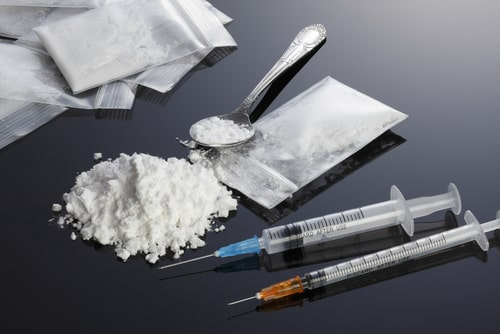
Compared to simple possession charges, the penalties for drug distribution in Texas can be strict. This is partly a measure to crack down on the drug trade, as sellers are often viewed as part of a larger problem. However, do not assume that you are safe from distribution charges just because you were not arrested during a transaction. The police can use circumstantial evidence to charge you with possession with intent to deliver, which can come with serious punishments. A Texas drug crimes defense lawyer can work with you to determine the best strategy for the charges you face. If the evidence against you is not strong enough, an attorney can argue to have the charges reduced or even dropped. At Magaña & Van Dyke, we can represent you in court for charges of possession with intent to deliver Can a Drug Stash Indicate Intent to Deliver? When looking for evidence of intent to deliver, prosecutors may consider the amount of drugs seized. A stash of drugs may not mean anything by itself. However, an exceedingly large quantity of drugs could suggest the stash was not meant for personal use. Keep in mind, drug distribution penalties increase with higher quantities of drugs. Depending on the amount of drugs seized by police, this could come with strict felony charges. If you have been accused of possession with intent to deliver, we can challenge the prosecution’s assumptions about what your intentions were. If the accusation is not grounded in hard facts, we could argue to have the charges reduced to mere possession. Do Police Check Cell Phones in Drug Distribution Cases? As part of a criminal investigation for possession with intent to deliver, police may search for proof of some kind of transaction. Your cell phone could be seized, and if the authorities find any text messages or voicemails that show that you planned to meet up with someone, those communications could be used against you. Even if you did not directly refer to drugs or a controlled substance, the prosecution could make an inference based on context. Can Police Search My Home Without a Warrant? In order to search your home or vehicle for drugs, police officers need a warrant. If law enforcement officers knock on your door without a warrant, you are under no obligation to let them in. The only exception to this rule is if there is evidence in plain sight, like a dime-bag of cocaine in the back seat of your car. You have constitutional rights that protect you against unlawful search and seizure. At Magaña & Van Dyke, we can argue to uphold those rights in court. Meet With a Cooke County, TX Drug Crime Defense Lawyer Police do not need to witness a transaction to charge people with drug distribution. If you have been accused of possession with intent to deliver, you should seek legal representation immediately. At Magaña & Van Dyke, our Denton County, TX criminal defense attorney can represent you in court. Call us at 940-382-1976 to schedule a complimentary consultation.
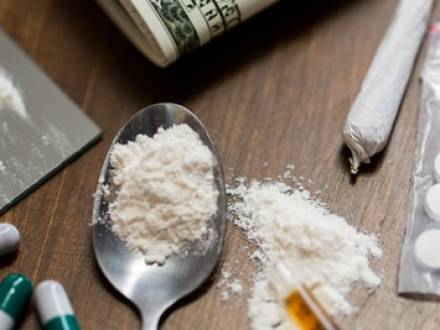
How Much Prison Time Could I Get for a Fentanyl Death?

How Much Prison Time Could I Get for a Fentanyl Death?

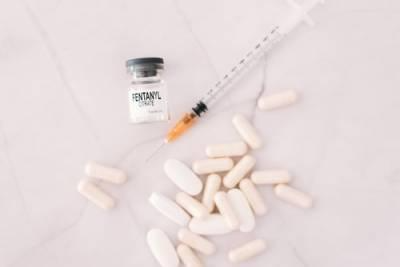
Recently, a North Texas couple found themselves facing murder charges after allegedly supplying a woman with fentanyl, which ultimately resulted in her death. The 34-year-old woman was pronounced dead at the scene; the Tarrant County Medical Examiner’s Office ruled the cause of death as fentanyl toxicity. Over the course of the investigation, it was found that two Dallas residents sold fentanyl to the woman prior to her death. There have been multiple fentanyl murder arrests since a state law that created the criminal offense of murder for supplying fentanyl went into effect on September 1, 2023. If you give or sell drugs to another person that are laced with fentanyl – even if you were not aware of that fact – you could find yourself facing very serious criminal charges. A Cooke County, TX criminal defense attorney can build a comprehensive defense on your behalf, ensuring your rights and your future are protected. How Common Are Fentanyl Deaths in Texas? In the first six months of 2022, almost 200 people were killed by opioid overdoses in Travis County alone – more than twice the number of deaths from car accidents and suicides. Drugs that were laced with fentanyl accounted for more than half of those deaths. Across the state, there were 1,672 fentanyl deaths in 2021. More than half of all the young adults who abused prescription opioids got them from a family member or a friend, and more than three-quarters of all drug overdose deaths involved an opioid. Fentanyl is a synthetic opioid that is deadlier than heroin and is often used to "cut" other opioid drugs. Fentanyl is similar to morphine but at least 100 times more potent – and more deadly. Illegally manufactured fentanyl may also be added to cocaine, methamphetamine, heroin, Adderall, Xanax, and Molly. Many people are unaware they are ingesting fentanyl and usually have no idea that a fentanyl amount equal to two grains of salt can kill. Are There Problems with the Texas Fentanyl Murder Statute? The part of the Texas Penal Code that details murder charges now has a section that refers to the criminal charge of murder that arises out of the delivery or manufacturing of fentanyl that results in death. While there is little argument that manufacturers and dealers of fentanyl or any drug containing fentanyl should be held criminally responsible for deaths related to those drugs, the law also applies to anyone who delivers fentanyl. While "delivery" could mean a dealer who profits from the delivery of fentanyl or fentanyl-laced drugs, it also encompasses a person who uses the drug and shares it with a fellow user or addict. This means that those who share drugs could be charged with fentanyl murder if one person overdoses, even though it could be the person who called the police to report the overdose. A person sharing drugs may have absolutely no knowledge that a drug is laced with fentanyl. Jurors have imposed harsh sentences on fentanyl dealers and manufacturers in the state. Whether those same harsh sentences for an individual who used drugs with another individual should be just as harsh is highly debatable. When two drug addicts share a drug with no knowledge it contains fentanyl, and one of them dies of a fentanyl overdose, it hardly seems just that the other would be charged with fentanyl murder. What Are the Penalties for Fentanyl Murder? Fentanyl murder is a first-degree felony, punishable by 5-99 years in prison and a fine as large as $10,000. There is an intent requirement, but it only applies to the manufacture or delivery of the drug, not to the death. This means that under the current law, intent is not a requirement to be found guilty of fentanyl murder. Contact a Denton County, TX Criminal Defense Lawyer If you are facing charges of fentanyl murder, it is essential that you speak to a highly experienced Cooke County, TX criminal defense attorney from Magaña & Van Dyke. Our attorneys treat every client with respect and dignity as we seek to protect and preserve your future. Call 940-382-1976 to schedule your free consultation. Se Habla Espanol.

Can Common Household Items Be Considered Drug Paraphernalia?

Can Common Household Items Be Considered Drug Paraphernalia?

Texas law makes it a crime to possess drug paraphernalia with intent to use it. This means that even if you have not been found in possession of an illegal drug but possess utensils used for illegal drugs, you may be charged with a crime. But what objects are considered "drug paraphernalia"? Could everyday household items be included in that category? Controlled substances are relatively easy to spot, but confirming whether an object is used for such substances is not so clear-cut. If you have been charged with possession of drug paraphernalia, reach out to a Texas criminal defense lawyer who will investigate your case and build a defense. What Is Drug Paraphernalia in Texas Law? According to the Texas Controlled Substances Act, drug paraphernalia is anything that is used for planting, growing, cultivating, processing, testing, making, storing, using, or hiding a controlled substance. This is a fairly broad definition that can include many objects, but the law also lists certain items that are considered drug paraphernalia: Kits used for planting or growing plants like marijuana A scale used for measuring a drug A sifter used to refine marijuana A pipe or inhalation mask used for consuming drugs A syringe used for injecting controlled substances A balloon or envelope used to store illegal drugs A bowl, container, spoon, or similar item used for mixing a drug The above list is not exhaustive, and many other objects can be considered drug paraphernalia under the law. Can Common Household Items Be Considered Drug Paraphernalia in Texas? The law suggests that everyday household items may be considered drug paraphernalia if they are used for drugs in some capacity. Plastic bags, balloons, spoons, bowls, Tupperware, utensils, and many other things can result in criminal charges if law enforcement believes they are being used for controlled substances. That poses the obvious risk of some people being wrongfully charged with possessing drug paraphernalia. Law enforcement usually uses certain clues to determine whether an item is an ordinary object or drug paraphernalia, such as: If the item is in close proximity to a controlled substance If the item shows signs of being used for drugs, like a spoon that has a burn mark If the item contains traces of an illegal drug Police and the prosecution may use such circumstantial clues to accuse someone of possessing drug paraphernalia, but that may still not be conclusive proof. Hiring a qualified attorney is the best way to fight such accusations. Contact a Cooke County, TX Drug Paraphernalia Possession Defense Attorney The fact that ordinary household items can lead to charges of drug paraphernalia possession opens the door to possible rights violations. Make sure you have aggressive legal representation like Magaña & Van Dyke at your side. We are committed to protecting your rights and will fight rigorously for the best outcome. Schedule a free consultation with a Denton County, TX criminal defense lawyer today by calling 940-382-1976 now.

How Serious is a Charge for Selling Drugs in Texas?

How Serious is a Charge for Selling Drugs in Texas?

In Texas, drug-related offenses are treated with seriousness, and charges for selling drugs can have severe consequences. Understanding the nature of these charges is crucial for anyone facing such allegations. A Texas lawyer can help you learn more in-depth what these charges could mean for you, specifically based on your circumstances. Classification of Drug Offenses Texas categorizes controlled substances into penalty groups, with Group 1 being the most severe and Group 4 the least. Common drugs in each group include: Group 1: Cocaine, heroin, methamphetamine Group 2: Ecstasy, PCP Group 3: Certain prescription drugs like Valium and Xanax Group 4: Compounds containing limited quantities of narcotics The severity of the charge depends on the type and amount of drug involved. Penalties for Drug Sale Offenses Selling drugs in Texas can result in felony charges, which carry significant penalties: State Jail Felony: For smaller amounts of less dangerous drugs. Punishable by 180 days to 2 years in state jail and a fine up to $10,000. Third-Degree Felony: Often applies to larger amounts of Group 3 or 4 drugs. Carries 2-10 years in prison and up to a $10,000 fine. Second-Degree Felony: Typically for selling larger quantities of Group 1 or 2 drugs. Punishment includes a sentence of 2-20 years behind bars and a maximum fine of $10,000. First-Degree Felony: Reserved for large quantities of dangerous drugs. Penalties range from 5-99 years in prison and up to a $250,000 fine. In some cases, life imprisonment is possible for repeat offenders or those selling large quantities of drugs. Aggravating Factors Certain circumstances can significantly increase the severity of charges and penalties in drug-selling cases. Selling drugs to minors is viewed as particularly egregious and can result in enhanced sentences. Similarly, conducting drug transactions in designated drug-free zones, such as schools or playgrounds, can lead to more severe charges. The law also takes a harsh stance on individuals who use minors to sell drugs, recognizing the exploitation of vulnerable youth. Possessing firearms during drug transactions can also lead to elevated charges, as it is seen as an indicator of potential violence. These aggravating factors can push charges into higher felony classifications or add substantial prison time to sentences, reflecting the state’s effort to protect vulnerable populations and maintain public safety. Collateral Consequences Beyond incarceration and fines, a drug sale conviction in Texas can have far-reaching impacts: Loss of professional licenses Difficulty finding employment Ineligibility for federal student loans Loss of voting rights (while incarcerated) Immigration consequences for non-citizens Difficulty renting housing Strain on personal relationships Defense Strategies While each case presents unique circumstances, several common defense strategies can be employed in drug-selling cases. Attorneys often begin by scrutinizing the legality of the search and seizure that led to the arrest, as any constitutional violations could result in the suppression of evidence. They may also question the chain of custody for evidence, ensuring proper procedures were followed at every step. In some cases, proving a lack of knowledge or intent to sell can be a viable defense, particularly if the quantity of drugs involved is relatively small. Exploring potential entrapment defenses is another avenue, especially if law enforcement’s tactics are overly aggressive or manipulative. Lawyers often negotiate with prosecutors to secure plea deals for reduced charges when appropriate. Apart from these strategies, Texas understands the worth of rehabilitation in addressing drug-related offenses. Depending on the specifics of the case, alternative sentencing options may be available. These can include participation in drug court programs, mandatory substance abuse treatment, probation with required counseling, or community service. Such alternatives are often considered for first-time offenders or those facing less severe charges, reflecting a balance between punishment and rehabilitation in the Texas justice system. Rehabilitation and Alternative Sentencing Texas recognizes the value of rehabilitation in some drug cases. Depending on the circumstances, alternatives to traditional sentencing might include: Drug court programs Substance abuse treatment Probation with mandatory counseling Community service These options often apply to first-time offenders or those with less severe charges. Work With a Cooke County, TX Criminal Defense Lawyer A charge for selling drugs in Texas is a serious matter with potentially life-altering consequences. The severity depends on various factors, including the type and amount of drug, prior offenses, and specific circumstances of the case. A Denton County, TX criminal defense attorney will walk you through the steps as you go through your case. Call Magaña & Van Dyke at 940-382-1976 for a no-obligation, free consultation.

What Are the Penalties for Marijuana Possession in Texas?

What Are the Penalties for Marijuana Possession in Texas?

In recent years, there has been a growing shift in public opinion regarding marijuana use. The majority of states allow the use of marijuana for medical purposes, and some states have also legalized the drug for recreational use. However, it is important to remember that marijuana is still considered an illegal controlled substance under federal law and in Texas. If you are facing drug charges for marijuana possession in Texas, it is crucial to understand the potential consequences you may face if you are convicted. Marijuana Laws in Texas Texas has some of the strictest drug laws in the United States when it comes to marijuana. The possession, sale, distribution, or cultivation of any amount of marijuana is considered a criminal offense. The severity of the offense depends on several factors, such as the amount of marijuana involved and whether there was an intent to distribute. Under the Texas Controlled Substances Act, possession of less than two ounces of marijuana is classified as a Class B misdemeanor. This offense carries a penalty of up to six months in jail and/or a fine not exceeding $2,000. If you are found with between two and four ounces of marijuana, you could face a Class A misdemeanor charge. This offense carries a penalty of no more than one year in jail and/or a fine not exceeding $4,000. Possession of more than four ounces but less than five pounds of marijuana is considered a state jail felony. Conviction can result in imprisonment ranging from 180 days to two years along with fines up to $10,000. The penalties become even more severe if you are found with larger quantities or if there is evidence suggesting an intent to distribute or sell the drugs. The charges you could face may include: Possession of between five pounds and 50 pounds: Third-degree felony, which can be punished by two to 10 years in prison and fines up to $10,000. Possession of between 50 pounds and 2,000 pounds: Second-degree felony, which can be punished by two to 20 years in prison and fines up to $10,000. Possession of over 2,000 pounds: First-degree felony punishable by five to ninety-nine years or life imprisonment with fines up to $50,000. Additional Consequences of Marijuana Possession Charges In addition to the legal penalties outlined above, a conviction for marijuana possession can have long-lasting consequences that extend beyond the courtroom. These may include: Criminal record: A drug conviction will result in a permanent criminal record. This can impact your ability to find employment or housing, as many employers and landlords conduct background checks. Driver’s license suspension: If you are convicted of marijuana possession in Texas, your driver's license may be suspended for six months. Before your license can be reinstated, you will be required to complete a 15-hour drug education program. Loss of a professional license: Certain professions require licenses from state regulatory boards. A drug conviction could lead to the suspension or revocation of your professional license, affecting your ability to continue working in your chosen profession. Contact an Experienced Denton Marijuana Possession Lawyer If you are facing charges for marijuana possession in Texas, it is crucial that you seek legal representation immediately. An experienced Denton County drug possession defense attorney can help protect your rights and guide you through the process of defending against a conviction. At Magaña & Van Dyke, we can help you determine the ideal defense strategy that will address the criminal charges against you and help you minimize the consequences that may affect your life. Contact us at 940-382-1976 to set up a free consultation today.

Are You Facing Charges of Fentanyl Possession?

Are You Facing Charges of Fentanyl Possession?

When people think of drug possession charges, they usually think of illegal drugs, such as cocaine, methamphetamine, and heroin. However, the drug epidemic that has gripped this country and caused hundreds of thousands of deaths has prescription opioid medications at the center. The majority of people who end up developing addictions all share a common theme: Due to an injury or illness, their doctors prescribed an opioid medication, and they quickly became addicted. It is well documented that a person can become addicted to opioids after just a few days of using the drugs. If your one of those people and you now are facing drug charges, you need a compassionate defense attorney advocating for you. Opioid Epidemic The current epidemic resulted because of the overprescribing of oxycontin, a powerful narcotic that was originally developed for pain relief for terminally ill cancer patients. Tragically, many doctors began prescribing these drugs for many other nonterminal conditions, creating the horrific epidemic mess we are in. Instead of addressing this issue as it was occurring, drug companies not only continued to mass produce and push these drugs, but they also developed even more powerful – and deadly – opioids. One of these drugs, fentanyl, has found its way onto the streets and is responsible for the taking of thousands of lives and countless overdoses each year. The drug is almost 100 times more powerful than morphine and highly addictive. Because fentanyl is such a deadly substance, the penalties for distribution or intent to sell are especially harsh. Even illegally possessing the drug can result in a severe prison sentence. Drug Charges According to federal statistics, the number of deaths caused by is more than 75,000 each year, and that number continues to increase by about 25 percent every year. Although the addiction and death rate caused by opioids can be directly linked to aggressive (and dishonest) pharmaceutical sale tactics, failure to provide patients with warnings about the powerful drugs they are being prescribed, and failure to properly monitor the prescription drug industry, it is not the drug companies, prescribing doctors, or the pharmacies who fill the prescriptions who face any legal consequences for patients’ addictions. It is the user who is caught with illegal possession of fentanyl or another opioid who will ultimately pay the price. The criminal justice system classifies drugs by their potential abuse rate, with Schedule I drugs as being the most dangerous to Schedule V, which as the lowest rate of abuse or addiction. The higher the schedule classification, the harsher the penalties are for convictions linked to any drug offenses. Under federal law, fentanyl is classified as a Schedule II drug, similar to morphine but about 100 times more potent. However, under Texas law, it is classified in the Penalty Group 1. Under both federal and state charges, the penalties for possession of fentanyl is harsh if convicted. Even possession of less than a gram of the drug can result in up to two years in prison and up to $10,000 in fines. Convictions for larger amounts mean significant more prison time and even larger fines. Call a Cooke County Defense Attorney If you have been charged with any kind of crime involving fentanyl or other drug, do not delay in contacting a Denton County drug possession lawyer. The sooner we begin working on your case, the better chances you have of a positive outcome. Call Magaña & Van Dyke at 940-382-1976 to schedule a free consultation. Se Habla Español. Sources: https://www.iwu.edu/counseling/Federal_Drug_Laws.htm https://statutes.capitol.texas.gov/Docs/HS/htm/HS.481.htm

Contact Us

Fill out this form below and we'll contact you shortly
*Required Fields